All products
Introduction to Indian Leafy Vegetables
Leafy vegetables hold a special place in Indian cuisine, and are widely used in a myriad of traditional dishes. Indian cooking showcases an array of leafy vegetables, each with its unique flavour profile and culinary purpose. While popular varieties like spinach and fenugreek are well-known, there is a treasure trove of lesser-known Indian leafy vegetables that offer a plethora of health benefits and gastronomic delights.
Lesser Known Indian Leafy Vegetables and Their Health Benefits
While spinach, fenugreek, and other popular leafy vegetables are widely recognised and appreciated in Indian cuisine, there are others that deserve attention too. These lesser-known Indian leafy vegetables offer unique flavours, textures, and health benefits. Let’s explore some of them:
1. Water Amaranth (Chaulai Saag)
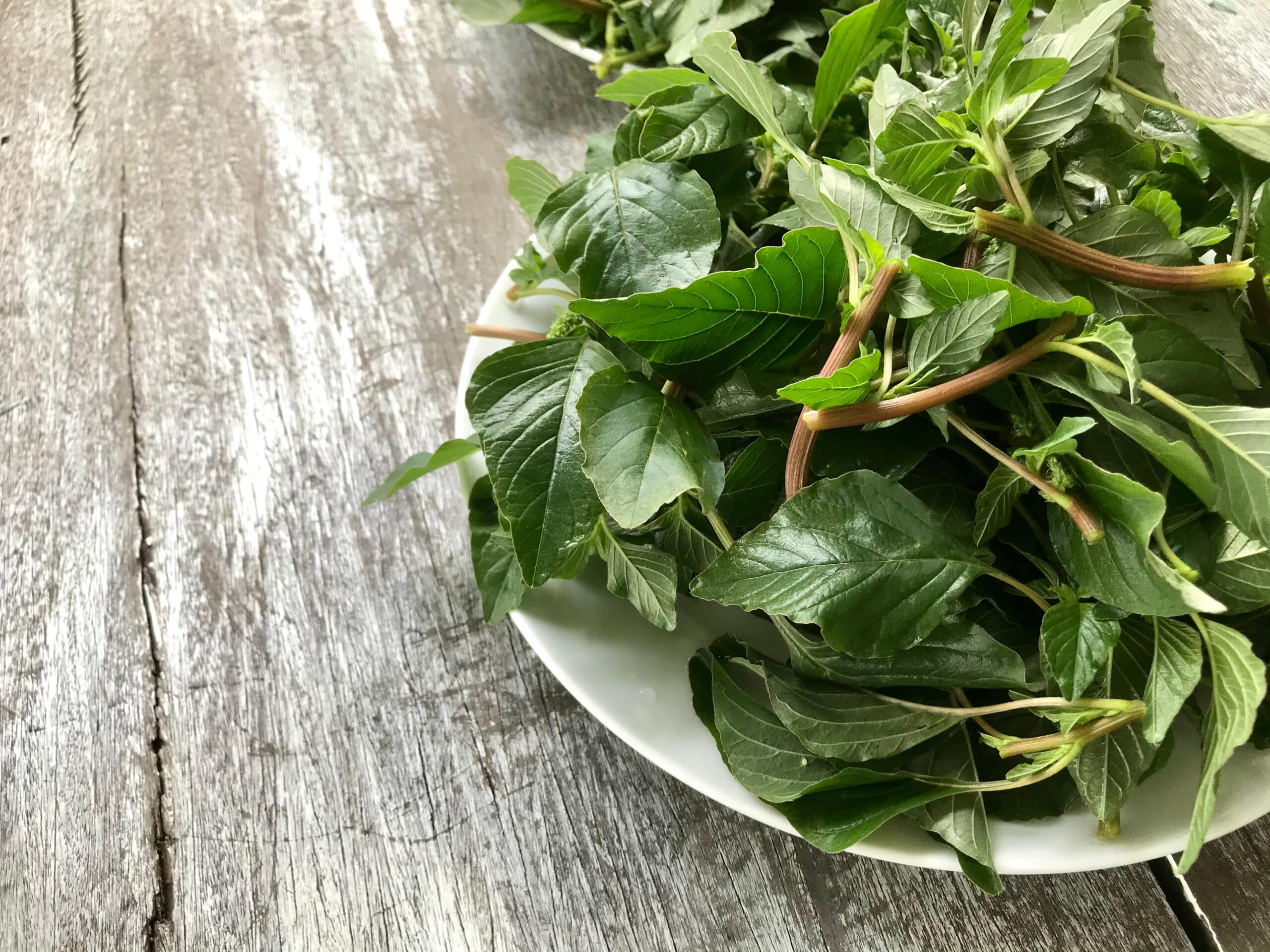
Description and Appearance: Water Amaranth, also known as Ponnaganti Koora or Chaulai Saag is a leafy vegetable with tender, lance-shaped leaves and red or green stems. It belongs to the Amaranthaceae family and has a slightly tangy taste.
Health Benefits
Water amaranth offers a myriad of health benefits. Packed with essential nutrients like vitamins A, C, and E, along with minerals such as iron, calcium, and potassium, water amaranth supports various bodily functions, including immune health, vision, bone strength, and blood pressure regulation. With its antioxidant properties, it helps protect against oxidative stress and lowers the risk of chronic diseases. Furthermore, water amaranth is high in fibre, aiding digestion, promoting regular bowel movements, and contributing to healthy blood sugar and cholesterol levels. As a low-calorie and low-fat option, water amaranth supports weight management while providing a satisfying and nutritious addition to meals. Incorporating water amaranth into your diet can enhance overall well-being and nourish your body with its abundant health-promoting qualities.
Culinary Uses: Water Amaranth can be used in various Indian dishes, such as stir-fries, curries, and soups. It can also be incorporated into salads or sautéed with other vegetables for a nutritious side dish.
2. Purslane (Kulfa)
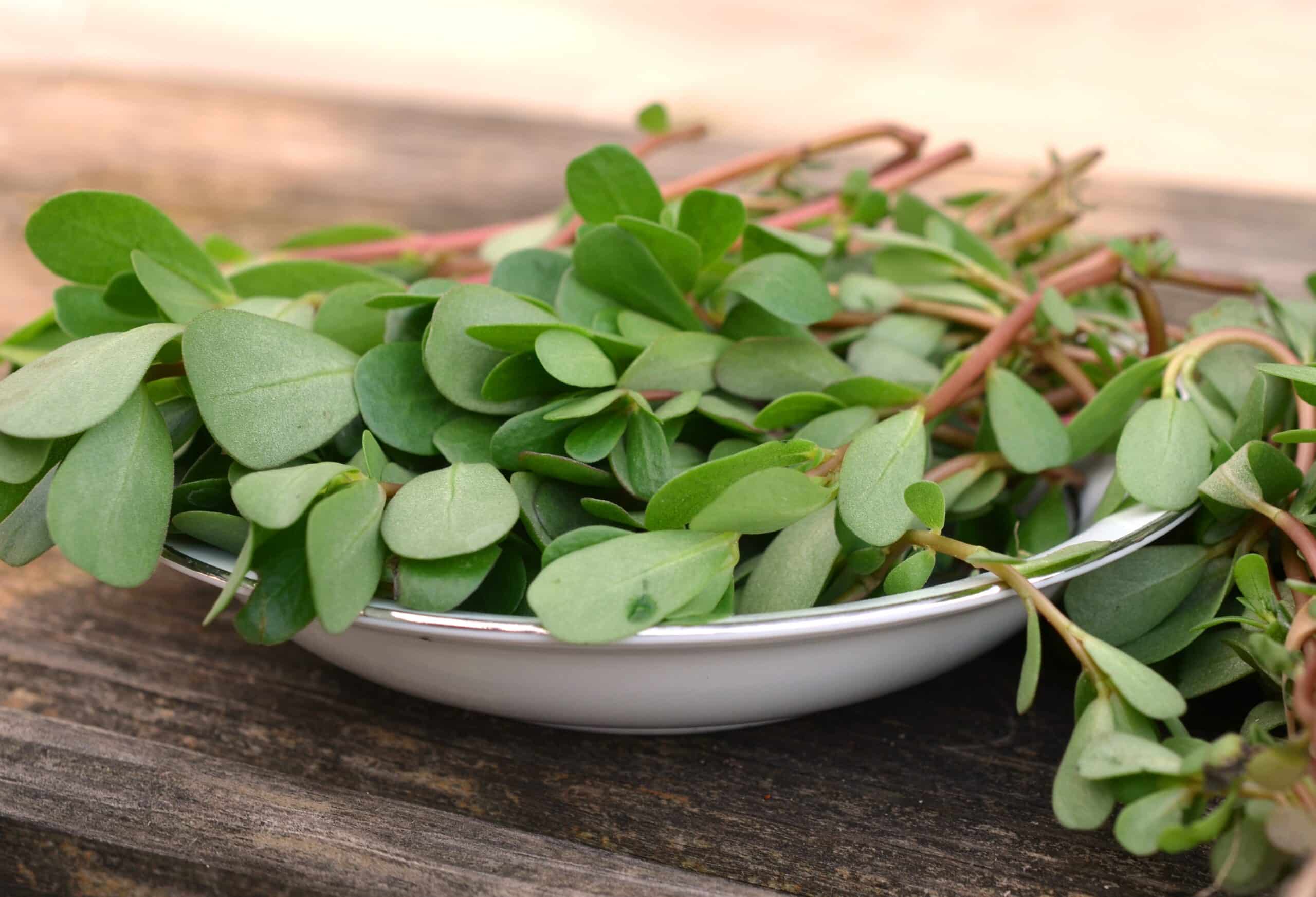
Description and Appearance: Purslane, known as Kulfa in India, is a succulent leafy vegetable with small, fleshy leaves and a slightly sour and tangy flavour. It is known for its vibrant green colour and juicy texture.
Health Benefits
Packed with essential nutrients, water purslane is a rich source of vitamins A, C, and E, which support healthy skin, boost the immune system, and protect against oxidative stress. It is also a good source of minerals such as iron, calcium, and potassium, which are vital for the proper functioning of the body. Additionally, water purslane is known for its high omega-3 fatty acid content, contributing to heart health and reducing inflammation. With its high fibre content, it aids in digestion, promotes regular bowel movements, and helps maintain healthy blood sugar levels. Water purslane is low in calories and fat, making it an excellent choice for weight management. Including water purslane in your diet can provide a range of health benefits and contribute to overall well-being.
Culinary Uses: Purslane can be used raw in salads, added to soups, or stir-fried with other vegetables. Its tangy taste adds a refreshing element to dishes and makes it a versatile ingredient in Indian cooking.
3. Indian Pennywort (Brahmi)
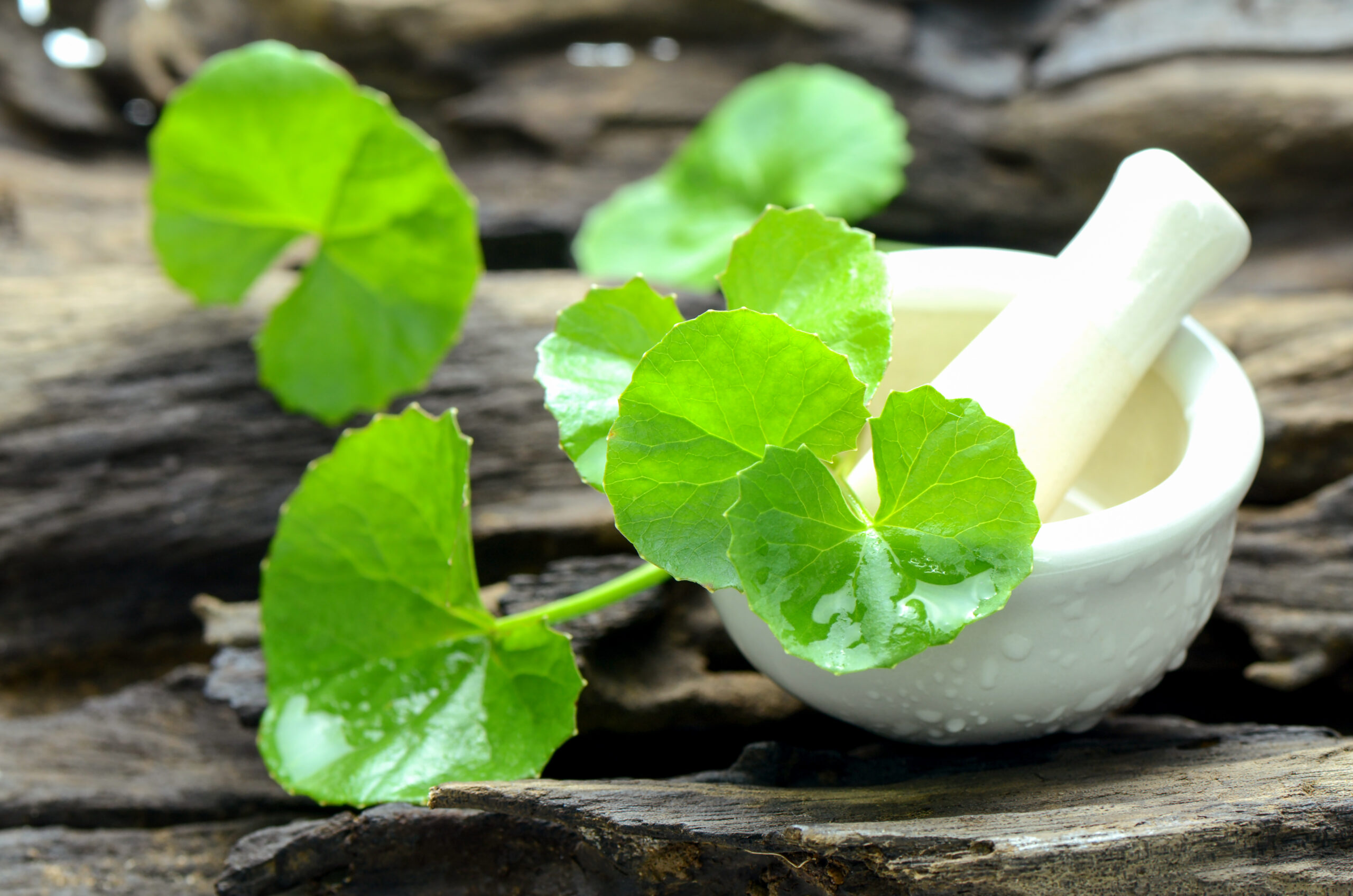
Description and Appearance: Indian Pennywort, commonly known as Brahmi, is a small, round-shaped leafy vegetable with a fresh, slightly bitter taste. It is known for its medicinal properties and is often used in Ayurvedic preparations.
Health Benefits
Indian pennywort, also known as Brahmi, is a lesser-known leafy vegetable that offers a multitude of health benefits. Rich in antioxidants, Indian pennywort helps protect against oxidative stress and supports overall cellular health. It is a valuable source of vitamins A, C, and B-complex, which promote healthy skin, boost the immune system, and support neurological function. Indian pennywort also provides essential minerals such as calcium, magnesium, and iron, contributing to strong bones and optimal red blood cell production. Renowned for its potential cognitive-enhancing properties, Indian pennywort may aid in memory improvement and cognitive function. Apart from its use in food, it is also used to make hair oil.
Culinary Uses: Indian Pennywort can be consumed raw in salads or used as a garnish. It is also used to make chutneys, juices, and herbal teas due to its medicinal properties.
4. Indian Sorrel (Changeri)