

 All products
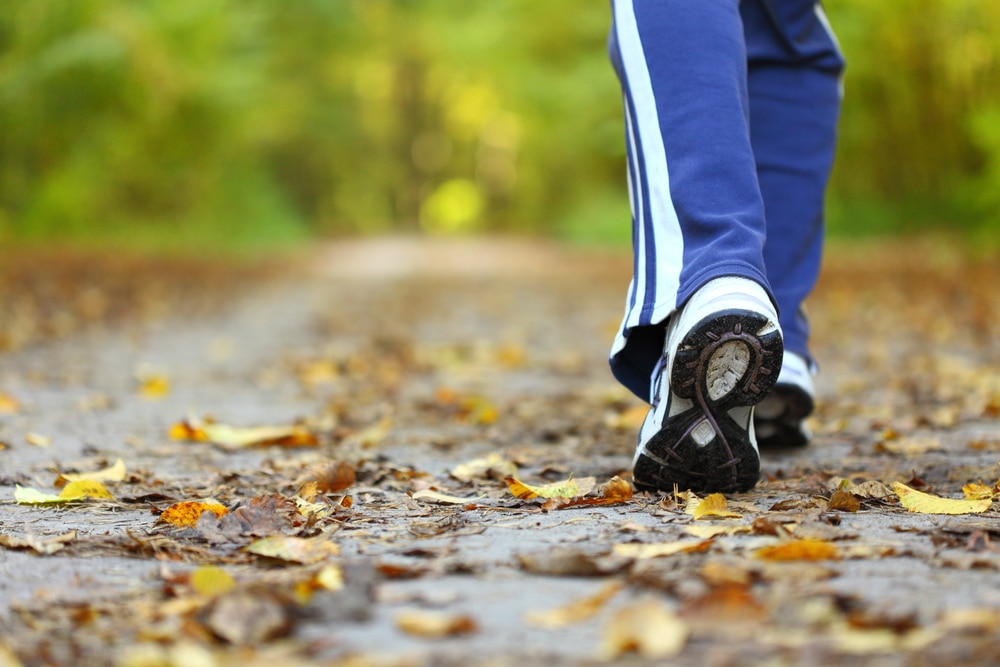
For those with busy schedules, finding time to go to the gym can be a challenge. However, there is a simple and effective way to lose weight without having to step foot in a gym: brisk walking. Walking may seem like a dull form of exercise compared to other calorie-burning cardio activities, but research continues to support its importance in a weight loss program. In fact, walking for just an hour a day can help burn off half a pound every week without dieting.
According to Lucy Knight, a fitness trainer and author of Walking for Weight Loss, walking is a “refreshing alternative to complicated aerobic routines and overpriced gym memberships.” She emphasizes that walking is free, enjoyable, and already a part of everyday life. By correcting your technique, walking faster, and for longer, you can lose weight. Knight’s expertise in the field of fitness and her experience working with clients make her a credible source on the topic of walking for weight loss.
The Science Behind Brisk Walking
There is plenty of scientific evidence to support the effectiveness of brisk walking for weight loss. Research at the University of Pittsburgh found that overweight individuals who walked briskly for 30 to 60 minutes a day lost weight without making any other lifestyle changes. Additionally, a study by the London School of Economics and Political Science discovered that out of all moderate-intensity activities, brisk walks had the highest effect on weight loss. Another study in the United States found that people who walked for at least four hours a week gained less weight – an average of nine pounds less – than their sedentary counterparts as they aged.
Benefits of Brisk Walking
In addition to weight loss, regular brisk walking can help control blood pressure, reduce the risk of type 2 diabetes, peripheral artery disease, and osteoporosis. The U.S. Centers for Disease Control and Prevention (CDC) recommends a minimum of 150 minutes of brisk walking every week. By incorporating brisk walking into your daily routine, you can experience these benefits and improve your overall health.
Mastering the Brisk Walk
To get the most out of brisk walking, it’s essential to perfect your technique. This involves standing tall, keeping your arms by your sides, and engaging your core by pulling your navel towards your spine. You should also focus your eyes five to six meters ahead, keeping your shoulders relaxed, and bend your elbows at a 90-degree angle. By leading with the heel and taking a step forward with your right foot, followed by your left foot, you can maintain a steady pace.
How Much Should I Walk?
Health experts recommend walking 10,000 steps a day to stay fit, which is equivalent to about 8 km, depending on your stride and speed. However, if you want to lose weight by walking, you would need to aim for 16,000 steps a day. The CDC defines brisk walking as being at a pace of three miles per hour or more, which translates to 5 km per hour or 12 minutes per km.
Getting Started
Beginners can start with short walks of 10 minutes at a moderate pace, increasing the duration by five minutes every two weeks. Intermediates can aim for 25-30 minutes of brisk walking, while advanced individuals can try 45-60 minutes of fast-paced walking. It’s also essential to mix things up by changing the terrain, incorporating inclines, and trying different surfaces like mud, sand, or grass. 
Tips for Weight Loss
Once you’ve mastered the brisk walk, consider incorporating hand weights or a backpack to increase calorie burn. You can also try interval walking, where you walk for 5 minutes and run for 1 minute. By following these tips and making brisk walking a part of your daily routine, you can experience significant weight loss and improve your overall health.
For more information on how brisk walking can help with weight loss, visit Here
Image Credit: www.healthifyme.com