

 All products
Wildfires in Los Angeles: A Stark Reminder of the Importance of Emergency Preparedness
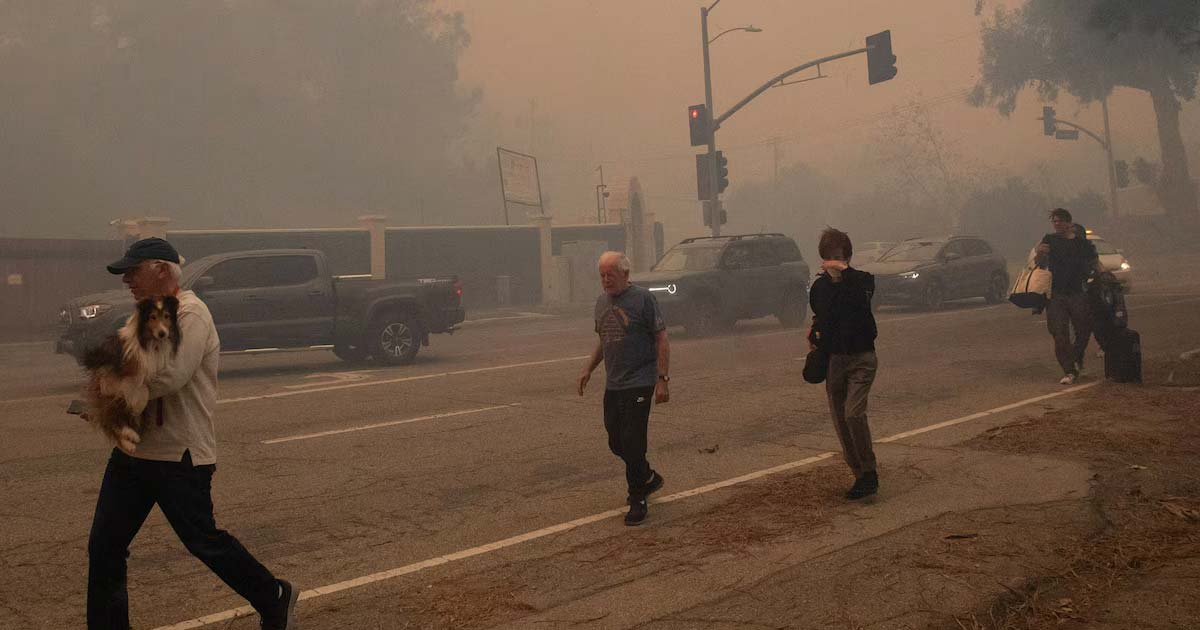
The recent wildfires raging across Los Angeles serve as a stark reminder of the unpredictable and devastating power of nature. With over 30,000 people evacuated, homes threatened, and critical infrastructure at risk, these fires highlight the urgent need for individuals and families to be prepared for emergencies. The Pacific Palisades wildfire, in particular, has left Los Angeles in a state of emergency, with the fire consuming over 2,900 acres and continuing to spread at an alarming rate.
The situation has prompted Governor Gavin Newsom and LA City Council President Marqueece Harris-Dawson to declare states of emergency, warning that worsening wind conditions could escalate the crisis further. A second fire ignited near Pasadena, quickly growing to 400 acres and diverting resources from the already strained firefighting efforts in Pacific Palisades.
Water Shortages and Resource Strain
Firefighters on the frontlines have reported running out of water as aerial tankers, which had been dousing flames throughout the day, were grounded due to poor visibility. The city’s fire hydrants are being pushed to their limits, and emergency crews have resorted to bulldozing luxury vehicles abandoned by fleeing residents to clear access routes to the burning hills.
The Latest: Pacific Palisades and Eaton Fires Out of Control
The Pacific Palisades Fire has rapidly consumed over 2,900 acres and shows no signs of slowing, burning at a rate of five football fields per minute. Fueled by powerful Santa Ana winds reaching 80 mph, it has already left over 200,000 residents without power in LA County. The Eaton Fire, which ignited in Altadena, has exploded from 10 to 400 acres within hours, with residents in 15 streets under mandatory evacuation orders.
Possible Arson or Terrorism?
Officials are looking into whether arson or even terrorism might be behind some of these fires. The rapid spread has raised suspicions, though no official cause has been confirmed yet. If these fires were deliberately set, it’s a yet another reminder of how vulnerable communities can be to man-made disasters.
Why Prepping Matters
Disasters like the LA fires yet again show that survival often comes down to preparation. Evacuation orders can happen with little warning, leaving families only minutes to grab what they need and flee. A well-prepared bug-out bag (BOB) and evacuation plan can mean the difference between safety and facing the chaos with little to help you survive.
The Bug-Out Bag: Your Emergency Lifeline
A bug-out bag is a pre-packed emergency kit filled with essential survival gear. It’s designed to sustain you during an evacuation or in the immediate aftermath of a disaster. Key components include water, shelter, food, first aid, protection, and personal essentials.
Evacuation Plans: The Key to Survival
Identifying potential threats, designing evacuation routes, establishing meeting points, preparing communication plans, and planning for special needs are all crucial steps in creating an effective evacuation plan. By being prepared, individuals and families can increase their chances of survival and reduce the risk of injury or loss of life.
Lessons from LA: Be Ready to Bug Out
The chaos and devastation unfolding in Los Angeles show how quickly lives can be upended. Imagine evacuating with no plan, scrambling to gather essentials as the fire consumes your neighborhood. Now contrast that with calmly grabbing your pre-packed bug-out bag and following a rehearsed evacuation route to safety. The choice is clear.
Preparedness isn’t just for “preppers”—it’s for anyone who values their safety and the well-being of their loved ones. Fires, earthquakes, hurricanes, or even societal unrest can strike at any time. Take this as a wake-up call: build your bug-out bag, create an evacuation plan, and ensure you’re ready for whatever comes your way.
For more tips on prepping and survival, specifically bugging out and being prepared for these kinds of disasters, check out our article: Here
Image Credit: offgridsurvival.com