

 All products

Introduction to Adopting a Black Pug Puppy
Finding a black pug puppy for adoption requires knowing where to look and what to evaluate. We have created this guide to walk you through the entire process, from identifying reputable rescue organizations to preparing your home for your new companion.
From breed-specific rescue groups to local animal shelters and adoption platforms, we’ll cover everything you need to know before bringing your new black pug puppy home. Our goal is to provide you with the necessary information to make an informed decision and ensure a smooth transition for both you and your new pet.
Where to Search for Black Pug Puppies
Breed-specific rescue organizations should be your first stop when searching for a black pug puppy. These groups maintain networks across the country and often have multiple puppies available at any given time. Pug Partners of Nebraska operates a national and international rescue network with pug groups listed across US states and Canada.
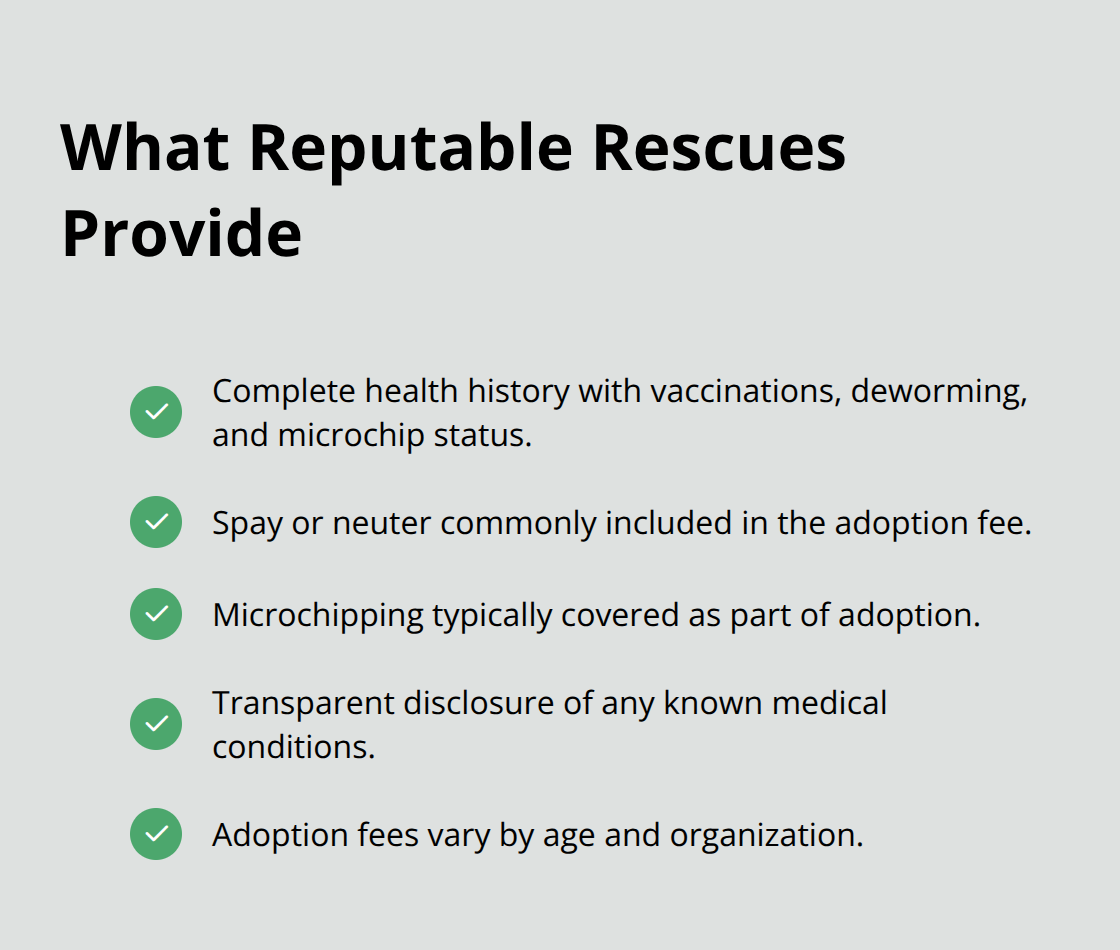
Contact a breed-specific rescue to ask about their current black pug puppies and their typical wait times. Most rescues provide complete health histories, including vaccinations, deworming, microchip status, and any known medical conditions. They also typically cover spaying or neutering and microchipping in their adoption fees, which vary depending on the puppy’s age and the organization.
Local Animal Shelters and Adoption Platforms
Local animal shelters and adoption centers house black pug puppies that need homes, though availability varies seasonally. Petfinder allows you to search specifically for black pug puppies in your area or within a travel distance you’re willing to cover. Filter your search by age, coat color, and location to narrow results.
Many shelters update their listings weekly, so check back regularly if you don’t find what you’re looking for immediately. Staff at shelters can tell you about each puppy’s behavior, socialization history, and any quirks they’ve observed. Request a complete health screening before adoption and ask about their return policy if the match doesn’t work out. Reputable shelters always have a humane return option.
Breed Clubs and Referral Networks
The Pug Dog Club of America maintains a breeder directory organized by state, and many of these breeders have connections to rescue efforts or can refer you to local breed clubs. Contact the PDCA Breeder Referral Chair or your nearest chapter club for localized referrals beyond the directory itself.
Breed clubs often host adoption events where you can meet available puppies in person and connect with experienced pug owners. These community events typically occur monthly or quarterly and provide an opportunity to assess multiple puppies at once. Joining a local pug club gives you access to ongoing support, resources, and recommendations for veterinarians experienced with brachycephalic breeds.
What to Look for When Evaluating a Black Pug Puppy
Health records matter far more than the puppy’s appearance. Ask the rescue or shelter for complete veterinary documentation, including vaccination dates, deworming treatments, microchip number, and any diagnosed medical conditions. Reputable organizations provide these records without hesitation.
Request details about health testing performed on the puppy’s parents, as responsible breeders typically screen for genetic issues common in pugs like hip dysplasia and breathing problems. Brachycephalic Airway Syndrome affects many pugs, so ask directly whether the puppy has shown any signs of respiratory distress during play or warm weather.
Identifying Red Flags in Health History
During your first meeting, watch for excessive snoring or labored breathing even at rest, which signals potential airway issues. A puppy that wheezes during normal activity isn’t a good candidate for adoption. If the rescue can’t provide complete health history or seems evasive about the puppy’s medical background, move on immediately.
The AKC breed standard emphasizes health screening, and any organization unwilling to share this information likely doesn’t meet professional standards. Direct conversation with caretakers provides more nuance than adoption listings alone.
Assessing Temperament and Background
Spend at least 30 minutes observing the puppy in different environments, not just in a quiet room. Watch how it responds to noise, strangers, and other dogs. A well-socialized black pug puppy should approach new people with curiosity rather than fear or excessive caution.
Ask staff or rescue volunteers specifically about the puppy’s socialization history-how many different people has it met, has it lived in a home environment, and how does it react to children. Ask about any incidents of biting, excessive fear, or aggression. Puppies showing signs of separation anxiety or extreme nervousness may struggle in your home.

Understanding Behavioral Patterns
Pugs are people-pleasers by nature according to breed standards, so a puppy that seems withdrawn or overly anxious doesn’t fit the typical temperament profile and may indicate underlying stress or poor early care. Request an in-person meeting with the puppy’s mother if available, as her temperament often predicts the puppy’s future behavior.
Black coat color is simply a cosmetic trait and should never outweigh health and temperament concerns in your decision-making process. Once you’ve evaluated health records, observed behavior, and confirmed the puppy’s background, you’re ready to prepare your home for this new family member.
Preparing Your Home for a Black Pug Puppy
Essential Supplies and Equipment
Before your black pug puppy arrives, stock the supplies that support healthy development and comfort. Purchase a crate sized for an adult pug (typically 24 inches long), as pugs weigh 14 to 18 pounds when fully grown according to breed standards.
Obtain two food and water bowls, a collar and leash, and a bed for sleeping areas. Pugs shed moderately year-round with heavier shedding in spring and fall, so invest in a vacuum rated for pet hair and a slicker brush for grooming several times per week. Buy high-quality dog food that meets AAFCO standards and matches your puppy’s life stage, since puppies need different nutrition than adults.
Temperature Control and Home Layout
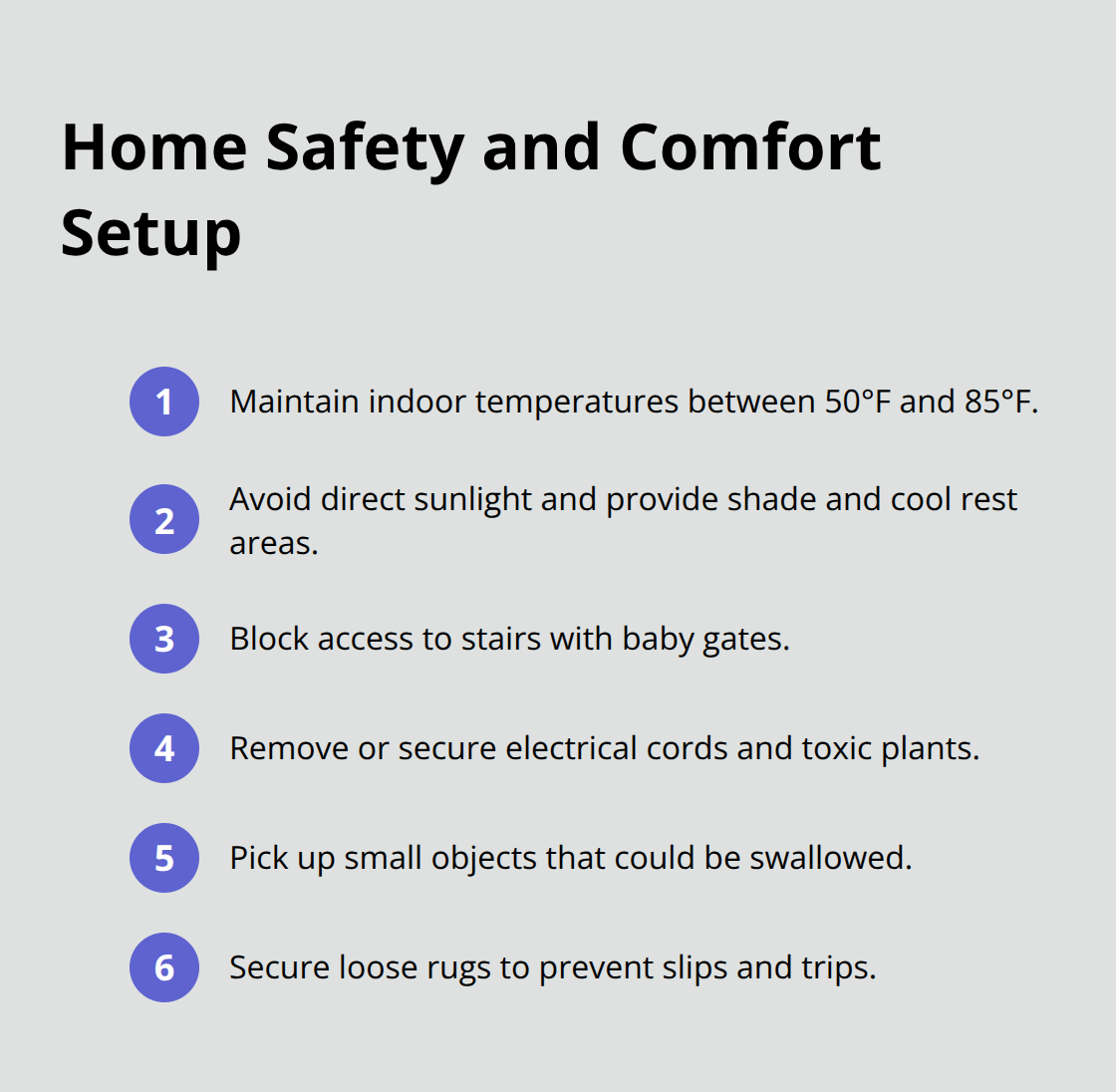
Pugs overheat easily due to their brachycephalic structure, so maintain your home temperature between 50°F and
Image Credit: www.dogingtonpost.com