

 All products
Introduction to Carbohydrates
Lately, carbohydrates have been villainized in most diet-related discussions, with low-carbohydrate diets becoming the norm. However, it’s essential to understand that consuming excessive amounts of carbs and the wrong kinds is what leads to fat storage, rather than the fact that you are consuming carbs. Despite this, there are several essential advantages of eating carbohydrates in moderation. They are the primary food source of energy and are known as metabolic fuel. Eating a diet rich in healthy carbohydrates is crucial, and this article will explore the delicious world of foods that are high in carbohydrates, as well as the role that they play and the many kinds of carbohydrates.
Understanding the Importance of Carbohydrates
Carbohydrates are one of the three macronutrients, along with fats and protein, that the body requires in greater quantities. Carbohydrates have 4 calories per gram and function as the body’s primary energy source. The body cells turn carbs into glucose, which fuels the muscles and brain. The digestive system breaks down carbs in food into simpler sugars, mainly glucose. Following absorption, glucose is carried to all of the body’s cells by the bloodstream.
Glucose serves as the primary energy source for these cells, enabling both cognitive and physical activities. The liver and muscles store any extra glucose that is not needed right away as glycogen, which guarantees a ready supply of energy for later usage. A healthy diet must include carbohydrates because of their capacity to store and release energy as needed. It supports the immune system, aids with digestion, and encourages heart health, along with boosting general health.
Different Types of Carbohydrates
The majority of dieters and weight loss enthusiasts are aware of the differences between simple and complex carbs. In reality, there are three different kinds of carbs: sugar, starch, and fiber. Sugar is the most basic type of carbohydrate, composed of one or two sugar molecules. The body absorbs and digests sugar quickly, causing blood sugar levels to increase sharply. Certain foods, such as fruits, vegetables, dairy products, etc., naturally contain it.
Starch, on the other hand, is a complex form of carbs that takes longer to digest. This gradual digesting process releases energy steadily over time. Starch is a naturally occurring substance in certain plants, grains, etc. Fiber is a complex kind of carbohydrate that is not fully metabolized by the body, making you feel fuller and less likely to overeat. It consists of unprocessed carbohydrates and can help prevent gastrointestinal problems like constipation.
High Carbohydrate Foods That Are Healthy
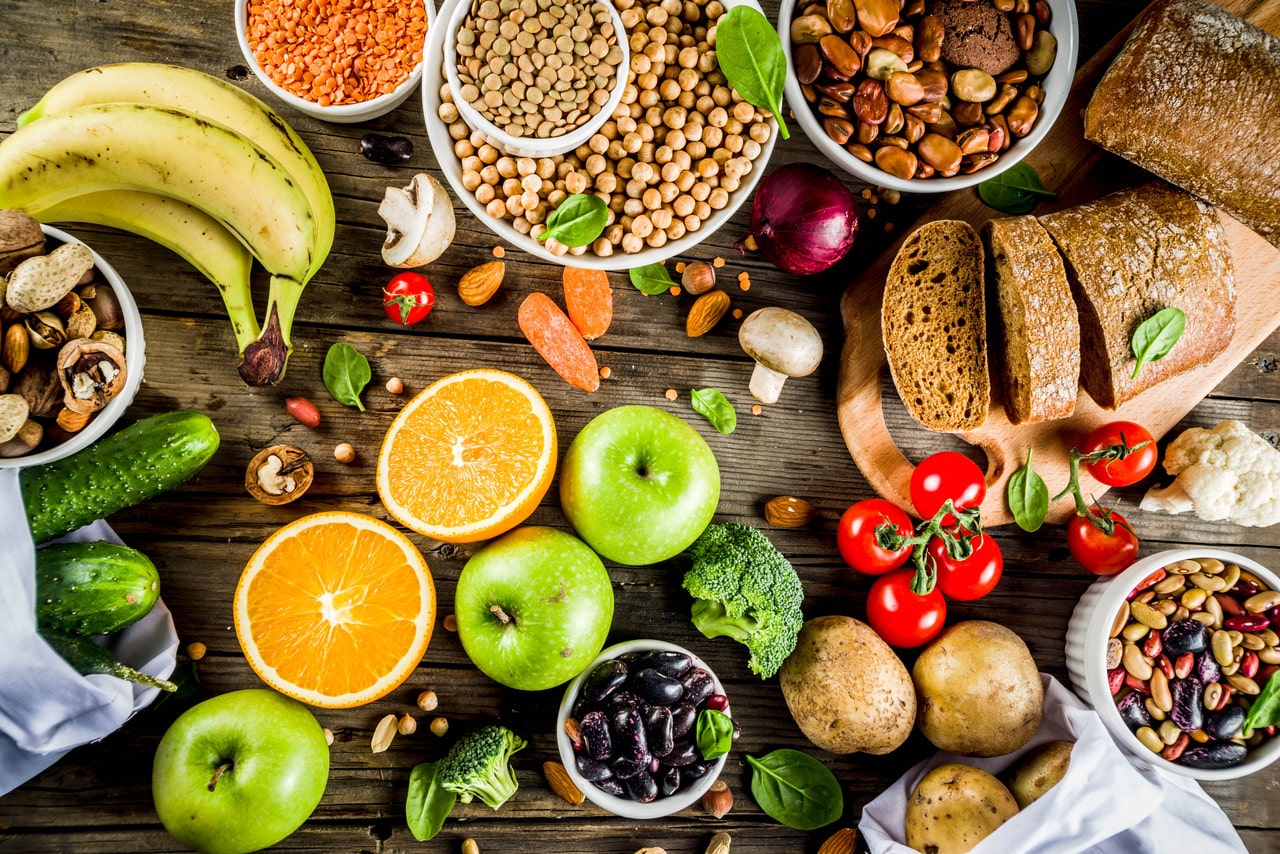
Eating carbohydrates is essential, whether you’re on a weight loss journey, an active person with a healthy weight, or someone mindful about healthy eating. For overall well-being, you must incorporate these ten high-carb foods into your diet. Some examples include quinoa, bananas, sweet potatoes, brown rice, oats, whole wheat bread, apples, kidney beans, berries, and chickpeas. These foods provide a rich source of complex carbohydrates, fiber, and essential nutrients, offering various health benefits, from regulating blood sugar levels to promoting heart health and aiding weight management.
Benefits of Carbohydrate Consumption
Foods high in carbohydrates are generally shunned and have a negative connotation among dieters. However, eating an adequate amount of carbohydrates has several vital health advantages. These include providing energy, enhancing athletic performance, improving brain function, and aiding in digestion. Carbohydrates are also a rich source of essential nutrients, including fiber, vitamins, and minerals. Furthermore, they help stabilize blood sugar levels, promote satiety for weight management, and contribute to mood enhancement by triggering the release of serotonin.
HealthifyMe Suggestion
The misconception that carbs cause weight gain and are unhealthy is mostly due to the fact that people overindulge in carbs and always tend to pick unhealthy forms of carbs. If you stick to a medium portion of whole grain carbs in each meal, you will be able to continue successfully on your weight loss journey. The problem arises when you don’t exercise portion control and pick carbs like sweets and baked goods. Be mindful of your portions, and there’s no need to avoid carbs completely.
Conclusion
Foods high in carbohydrates constitute a delightful and diverse component of our meals. They come in a variety of flavors and textures, ranging from naturally sweet simple carbohydrates to nutrient-dense complex carbohydrates. High-carb foods can give our bodies the nourishment and energy they need to thrive when eaten in moderation and as part of a balanced diet. Therefore, embrace the world of carbohydrates and enjoy everything that they have to offer without fear. For more information on high-carb foods and their benefits, visit Here
Image Credit: www.healthifyme.com