

 All products

Introduction to the Vibrant Tang Family
Tang fish, scientifically known as members of the Acanthuridae family, are among the most visually striking and sought-after marine species in the aquarium hobby today. These colorful fish, also commonly referred to as surgeonfish, have captured the hearts of marine enthusiasts worldwide with their distinctive appearances and fascinating behaviors. Characterized by their laterally compressed, oval-shaped bodies and vibrant coloration patterns, tang fish bring a remarkable splash of color and activity to any reef environment they inhabit.
Native to tropical and subtropical waters, primarily in the Indo-Pacific region, tang fish have evolved to thrive in coral reef ecosystems. Their presence in these delicate environments is not merely aesthetic but serves crucial ecological functions. As predominantly herbivorous species, tang fish play an integral role in maintaining the balance of reef systems by controlling algae growth that might otherwise overwhelm corals and other invertebrates.
In this comprehensive exploration, we will delve into the diverse world of tang fish, examining their unique characteristics, behavioral patterns, dietary requirements, and suitability for home aquariums. Whether you are an experienced marine aquarist or simply fascinated by these remarkable creatures, understanding the complexities of tang fish will deepen your appreciation for these oceanic jewels.
What Kind of Fish is a Tang?
Tang fish are marine ray-finned fish belonging to the Acanthuridae family, which encompasses approximately 86 species across six genera. These fish are most commonly known as surgeonfish, deriving this name from the distinctive scalpel-like modified scales or “surgical tools” located on their caudal peduncle (the narrow part of the body before the tail fin). These specialized structures, which vary in size and shape among different tang species, serve as defensive mechanisms against predators and can be remarkably sharp.
Taxonomically, tang fish are classified within the order Perciformes, making them distant relatives of perch, groupers, and snappers. However, their evolutionary path has led to highly specialized adaptations that set them apart from other perciform fishes. Their body structure is typically oval and laterally compressed—a shape that allows for exceptional maneuverability among coral formations and facilitates quick escapes from potential threats.
A defining characteristic of tang fish is their continuous dorsal fin, which runs along much of their body length. Their mouths are notably small and contain specialized dentition adapted for their primarily herbivorous diet. These teeth are designed for scraping algae from hard surfaces, a feeding behavior frequently observed in both wild and captive specimens.
The diverse coloration patterns exhibited by tang fish species are not merely aesthetic features but serve important biological functions. These vibrant hues can assist in species recognition, territorial displays, mating rituals, and in some cases, provide camouflage against specific reef backgrounds. Juvenile tang fish often display coloration patterns distinct from their adult counterparts, which can sometimes lead to misidentification among inexperienced observers.
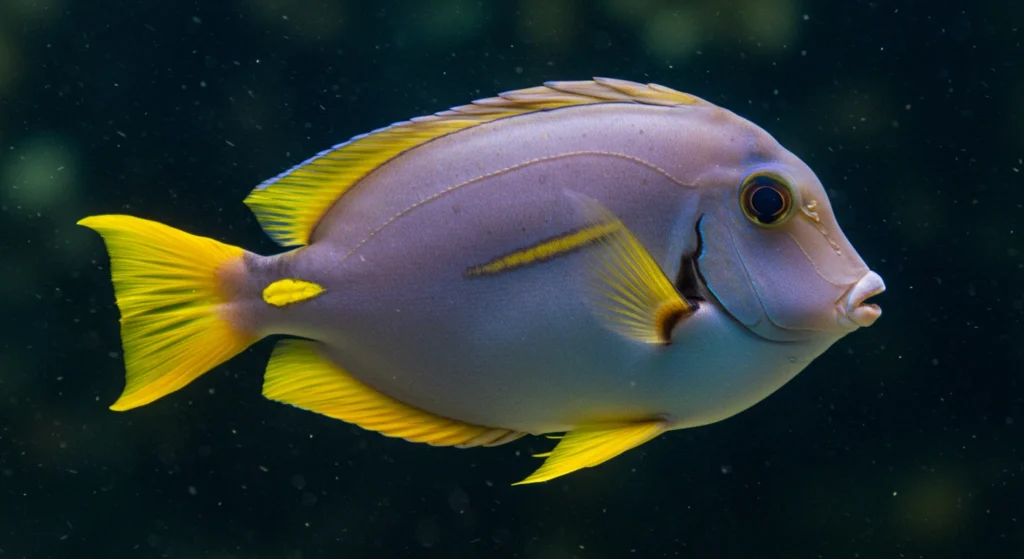
Tang Fish Varieties
The diversity within the Tang fish family is truly remarkable, with each species exhibiting unique characteristics that make them special additions to marine environments. Here are some of the most popular and noteworthy tang varieties:
Yellow Tang
The Yellow Tang (Zebrasoma flavescens) is perhaps the tang family’s most iconic and recognizable member. Native to the Hawaiian Islands and portions of the central Pacific, these fish display a brilliant, uniform yellow coloration that makes them instant focal points in any aquarium. Their disk-shaped bodies, combined with their vivid coloration, create a striking visual effect as they navigate through coral formations.
Yellow tangs typically grow to approximately 8 inches in length and can live for 10-30 years under optimal conditions. Their popularity in the aquarium trade has led to significant wild collection, though recent advances in aquaculture have begun to provide more sustainable sources for this beloved species.
Blue Tang Fish
The Blue Tang (Paracanthurus hepatus), also known as the Palette Surgeonfish or Regal Tang, gained worldwide recognition through popular animated films. These stunning fish display a vibrant royal blue body complemented by black markings and a yellow tail. Native to coral reefs throughout the Indo-Pacific region, blue tangs can grow to approximately 12 inches in length and require spacious aquarium environments to thrive.
Blue tangs are particularly sensitive to water quality issues and require established aquarium systems with stable parameters. Their striking appearance makes them highly sought after, but potential keepers should be aware of their specialized care requirements and the significant space needs of adult specimens.
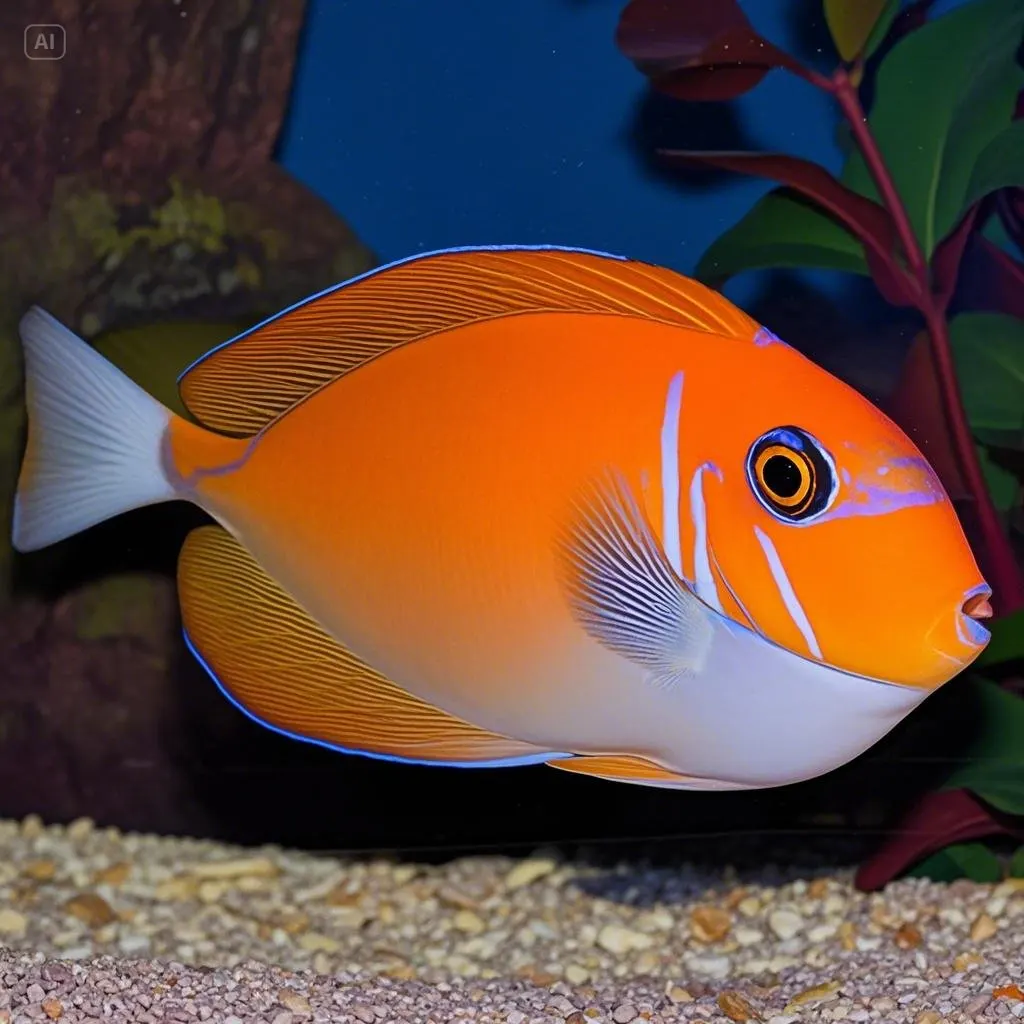
Black Tang Fish
The Black Tang (Zebrasoma rostratum), sometimes called the Black Longnose Surgeonfish, presents a dramatic contrast to its more colorful relatives. With a predominantly black body occasionally showing subtle blue highlights, these tangs bring an element of sophistication and contrast to reef aquariums. Native to the central and western Pacific Ocean, including areas around Tahiti and the Cook Islands, black tangs are somewhat rare in the hobby and consequently command premium prices.
Their distinctive extended snout allows them to probe into small crevices for algae and other food sources. Growing to approximately 10 inches in length, black tangs require similar care conditions to other Zebrasoma species but are generally considered more challenging due to their relative rarity and specific feeding preferences.
Purple Tang Fish
The Purple Tang (Zebrasoma xanthurum) represents one of the most prized members of the tang family. Distinguished by its vibrant purple body accented with yellow highlights on the tail section, these fish originate from the Red Sea and Arabian Sea regions. Their relatively limited natural distribution contributes to their higher price point in the aquarium trade.
Purple tangs typically reach 8-10 inches in length and display the compressed, disk-like body shape characteristic of the Zebrasoma genus. They are particularly known for their active swimming behavior and can demonstrate territorial tendencies toward similar-looking fish. Their intense coloration tends to deepen as they mature, making adult specimens particularly impressive centerpiece fish.
Orange Tang Fish
The Orange Tang, more commonly known as the Shoulder Tang or Orangeshoulder Surgeonfish (Acanthurus olivaceus), features a distinctive orange shoulder patch that gradually transitions into a bluish-gray body. Juvenile specimens display a strikingly different appearance with blue and yellow rings on a darker background
Image Credit: petsabs.com