

 All products
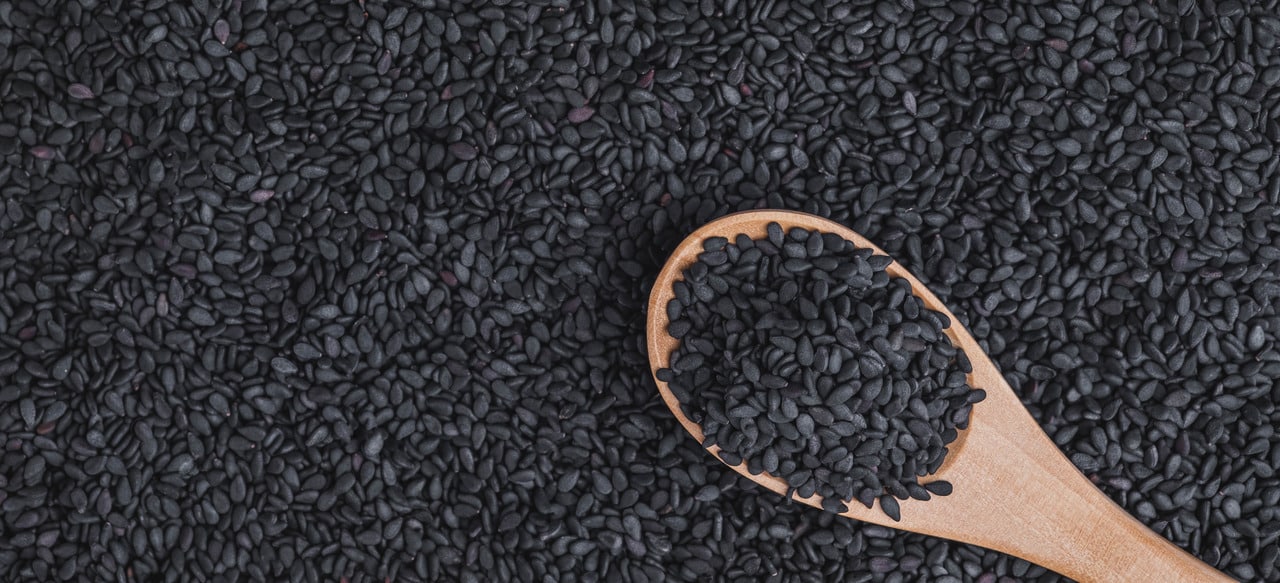
Introduction to Black Sesame Seeds
Black sesame seeds, a staple in Asian cuisine and traditional medicine, have been gaining popularity worldwide due to their incredible nutritional benefits and unique flavor. These tiny black gems, derived from the Sesamum indicum plant, have been used for centuries as both a culinary delight and a potent source of essential nutrients. From their origins in ancient civilizations to their inclusion in contemporary diets, black sesame seeds continue to captivate the interest of health-conscious individuals and culinary enthusiasts alike.
Nutritional Profile of Black Sesame Seeds
According to the USDA, 100 g of black sesame seeds contain the following nutrients: Calories: 714 kcal, Protein: 22.86 g, Total Lipid: 64.29 g, Carbohydrates: 28.57 g, Fibre: 14.3 g, Calcium: 1286 mg, Iron: 19.29 mg, Magnesium: 457 mg, Phosphorous: 786 mg, and Potassium: 607 mg. These nutrients make black sesame seeds a valuable addition to a balanced diet.
Health Benefits of Black Sesame Seeds
Black sesame seeds offer a plethora of health benefits, including promoting heart health, supporting bone density, boosting the immune system, aiding digestion, and regulating blood sugar levels. They are also rich in antioxidants, which protect cells from oxidative damage and reduce the risk of chronic diseases. The high calcium content in black sesame seeds contributes to maintaining strong bones and preventing osteoporosis.
Culinary Uses of Black Sesame Seeds
Black sesame seeds can be used in a variety of culinary applications, including salads, desserts, and Asian dishes. They add a delightful flavor and texture to various recipes. Two popular recipes using black sesame seeds are Black Sesame Seed Tea and Black Sesame Seed Smoothie.
Comparison of Black and White Sesame Seeds
Black sesame seeds and white sesame seeds come from the same Sesamum indicum plant, but they differ in terms of appearance, flavor, and nutrient content. Black sesame seeds have a dark black color and a nuttier flavor, while white sesame seeds are ivory or pale yellow and have a milder taste.
Allergies and Potential Risks
Sesame seed allergy is a significant concern for some individuals, and it can cause allergic reactions ranging from mild symptoms to severe reactions, including anaphylaxis. Additionally, black sesame seeds are calorie-dense, and excessive consumption can lead to weight gain. They also contain oxalates, which can contribute to the formation of kidney stones in susceptible individuals.
Conclusion
In conclusion, black sesame seeds offer a myriad of health benefits and culinary delights. They are a rich source of essential vitamins, minerals, and healthy fats that support various aspects of well-being. However, it’s crucial to be mindful of potential risks and precautions, such as sesame seed allergies and excessive consumption. For individuals with specific health conditions or concerns, consulting with a healthcare professional or a registered dietitian is recommended before incorporating significant quantities of black sesame seeds into the diet.
Frequently Asked Questions
Some common questions about black sesame seeds include their difference from white sesame seeds, their taste, and their uses in cooking. Black sesame seeds have a more robust and nuttier flavor compared to white sesame seeds and are commonly used in Asian cuisine, desserts, and as a garnish for dishes.
Research Links
For more information on the health benefits and culinary uses of black sesame seeds, please visit the following links:
Monounsaturated Fat,
Bioactive lignans from sesame (Sesamum indicum L.),
Dietary fibre,
Bioactive Compounds for Skin Health,
Antioxidant lignans sesamin and sesamolin in sesame (Sesamum indicum L.),
The Effects of Sesame Consumption on Glycemic Control in Adults.
Learn more about the benefits and uses of black sesame seeds Here
Image Credit: www.healthifyme.com