

 All products
Introduction to Kidney Disease in Dogs
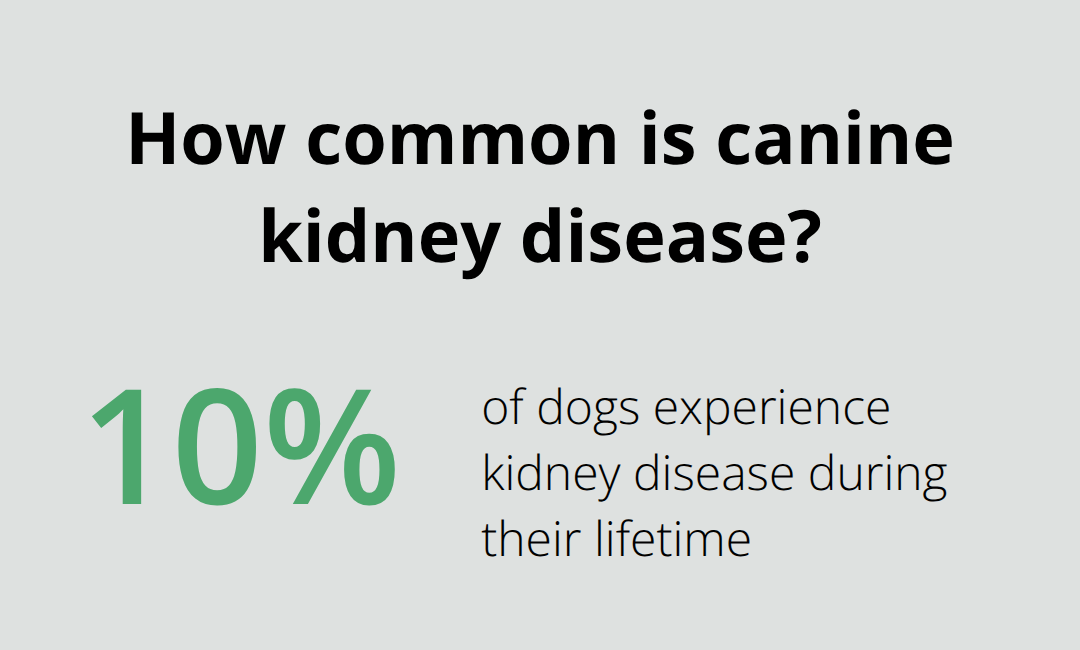
Kidney disease is a common health issue affecting approximately 10% of dogs at some point in their lives. Nutrition plays a crucial role in managing the condition, and the right kidney care dog food can significantly slow disease progression and improve a dog’s quality of life. Understanding the nutritional needs of dogs with kidney disease is essential for making informed decisions about their diet.
Causes and Risk Factors of Kidney Disease in Dogs
Common Causes and Risk Factors
Kidney disease in dogs develops gradually, and understanding the causes and risk factors can help dog owners make better dietary choices. Older dogs are at higher risk, but kidney problems can also stem from chronic high blood pressure, urinary tract infections, certain medications, and genetic predisposition in breeds like Cocker Spaniels and Bull Terriers. Some dogs develop kidney issues after consuming foods with excessive sodium or phosphorus over the years, highlighting the importance of diet in both prevention and management.
Signs and Symptoms of Kidney Disease in Dogs
Dog owners may notice signs like increased thirst and urination, weight loss, poor appetite, vomiting, and bad breath that smells like ammonia. These symptoms appear because failing kidneys cannot filter waste effectively, allowing toxins to build up in the dog’s bloodstream. Approximately 1 in 10 dogs will experience kidney disease during their lifetime, making this a condition many dog owners will eventually face.
Nutritional Requirements for Dogs with Kidney Disease
How Kidney Disease Shifts Nutritional Requirements
When a veterinarian diagnoses kidney disease, a dog’s nutritional requirements shift dramatically from a standard diet. Dogs with kidney disease need their protein carefully controlled because damaged kidneys struggle to process excess amino acids. Phosphorus becomes a critical concern, as phosphorus buildup accelerates kidney damage and weakens bones. Research shows that lower phosphorus intake helps slow disease progression, which is why prescription kidney diets target phosphorus levels between 0.5 and 0.8 grams per 1000 calories.
The Role of Sodium, Hydration, and Omega-3s
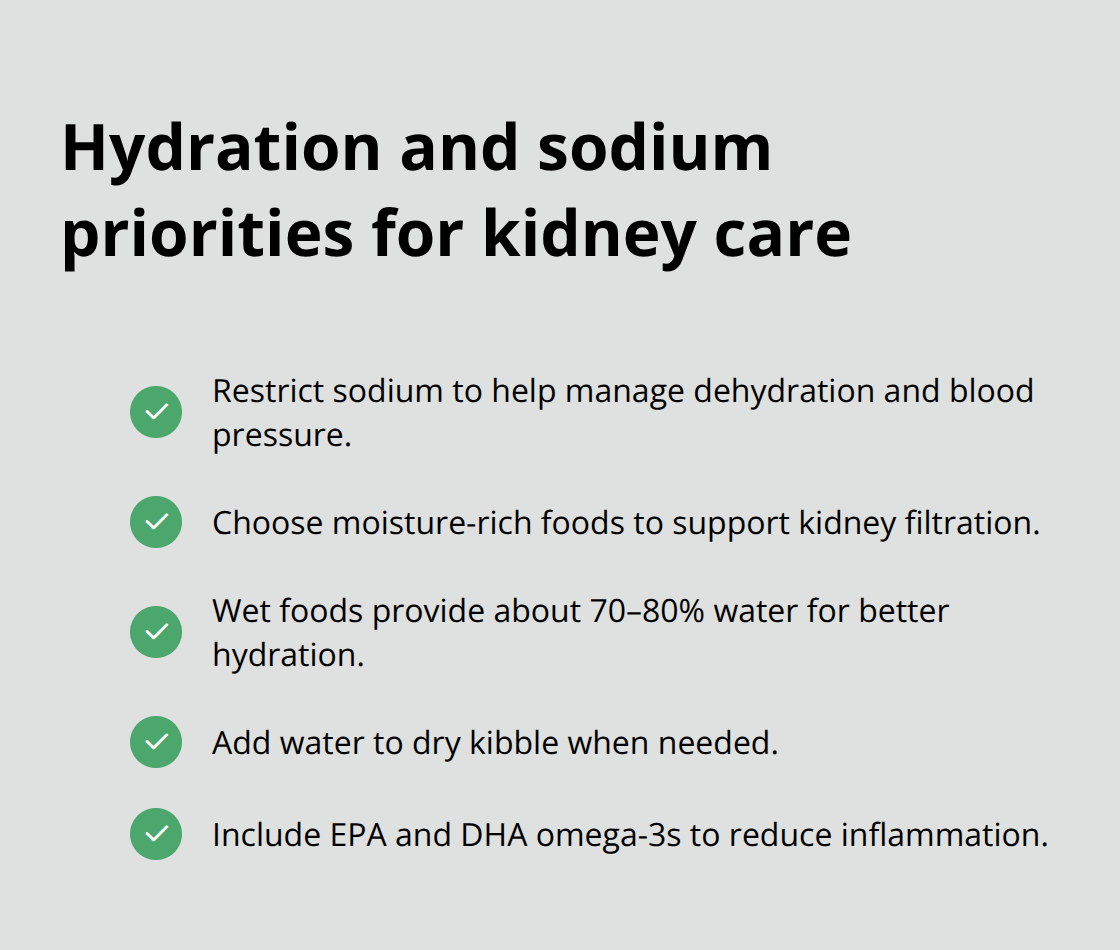
Sodium restriction is also crucial, as excessive sodium increases dehydration risk in kidney patients and elevates blood pressure, creating a vicious cycle of worsening kidney function. Dogs with kidney disease need higher moisture content in their food to support kidney filtration and reduce the organ’s workload. Wet foods typically contain 70 to 80 percent water, making them superior to dry kibble for kidney patients. Omega-3 fatty acids from fish oil reduce kidney inflammation and slow disease progression, making them a valuable addition to kidney care diets.
Key Nutrients for Dogs with Kidney Disease
Protein Quality Over Protein Quantity
Protein quality is more important than protein quantity in kidney diets. Dogs with kidney disease need highly digestible proteins that supply essential amino acids without overwhelming damaged kidneys. Novel proteins like kangaroo, rabbit, and white fish work well because dogs often tolerate them better than chicken or beef, and damaged kidneys process them more easily.
Phosphorus Control and Sodium Restriction
Phosphorus control is critical in kidney diets, as lower phosphorus intake slows disease progression and weakens the vicious cycle of bone loss. Quality kidney diets target phosphorus levels that support kidney function, and sodium restriction helps prevent dehydration risk and blood pressure elevation. Try sodium levels between 0.4 and 1.2 grams per 1000 calories, depending on the dog’s disease stage.
Omega-3 Fatty Acids and Hydration
Omega-3 fatty acids reduce kidney inflammation and slow disease progression, making them a valuable addition to kidney care diets. Aim for EPA and DHA levels between 0.4 and 1.2 grams per 1000 calories for meaningful anti-inflammatory support. Hydration is also crucial, and wet foods are generally superior to dry kibble due to their higher moisture content.
Choosing the Right Kidney Care Dog Food
Reading Labels and Understanding Phosphorus Targets
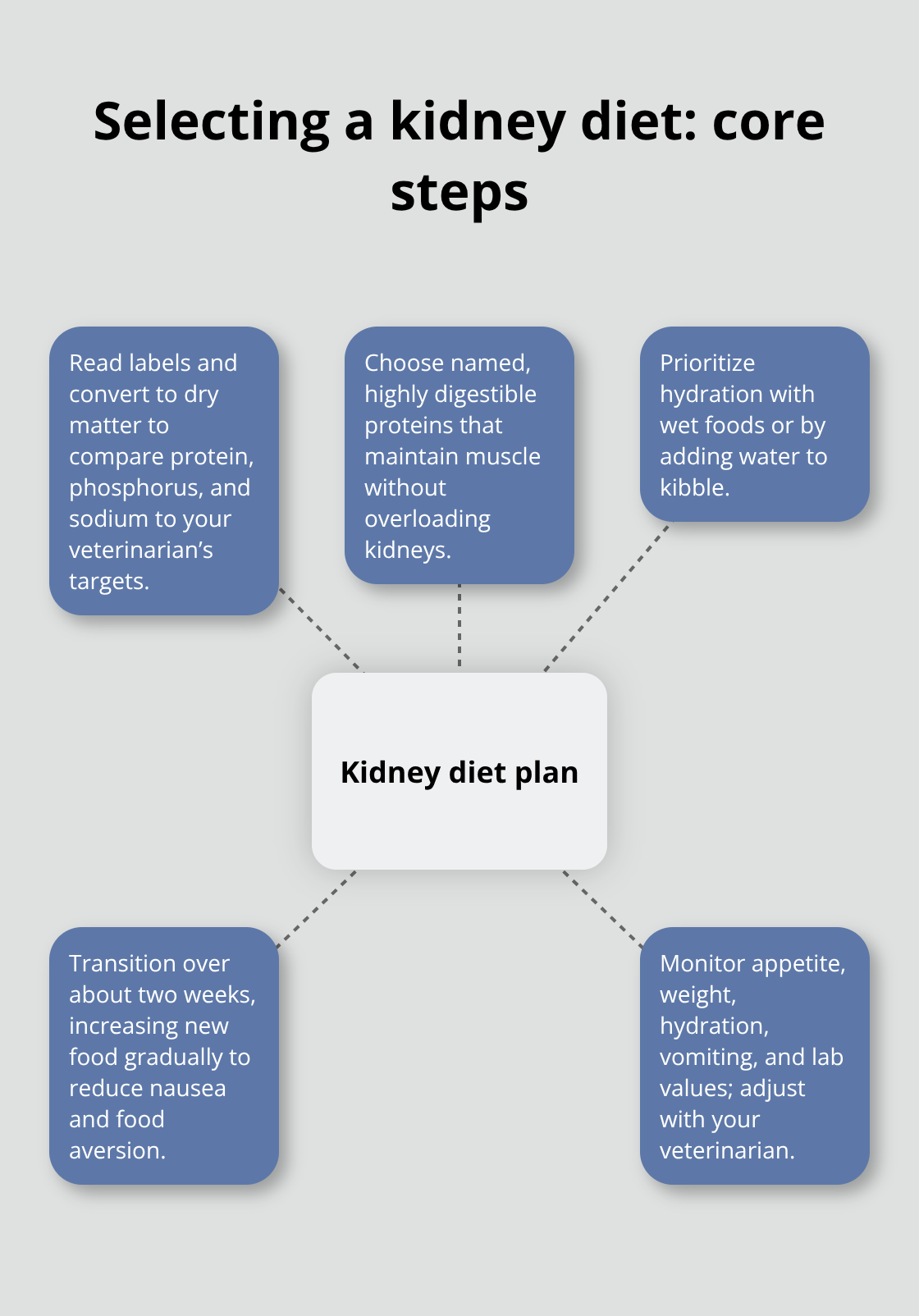
When selecting a kidney care dog food, it’s essential to read labels carefully and understand phosphorus targets. Look for foods with controlled phosphorus levels, high-quality digestible proteins, and restricted sodium content. Avoid budget brands that use preservatives, artificial flavors, and fillers, as these can stress damaged kidneys unnecessarily.
Managing the Transition Process
When transitioning to a new kidney care dog food, it’s crucial to work closely with a veterinarian to monitor progress and adjust the diet as needed. A gradual two-week transition starting with 5% new food and increasing by roughly 10 to 20% every two days can help minimize nausea and feeding aversion.
Conclusion
Choosing the right kidney care dog food requires understanding a dog’s specific disease stage, reading labels carefully, and working closely with a veterinarian to monitor progress. By prioritizing phosphorus control, protein quality, and hydration, dog owners can help slow disease progression and improve their dog’s quality of life. For more information on kidney care dog food, visit Here
Image Credit: www.dogingtonpost.com