

 All products
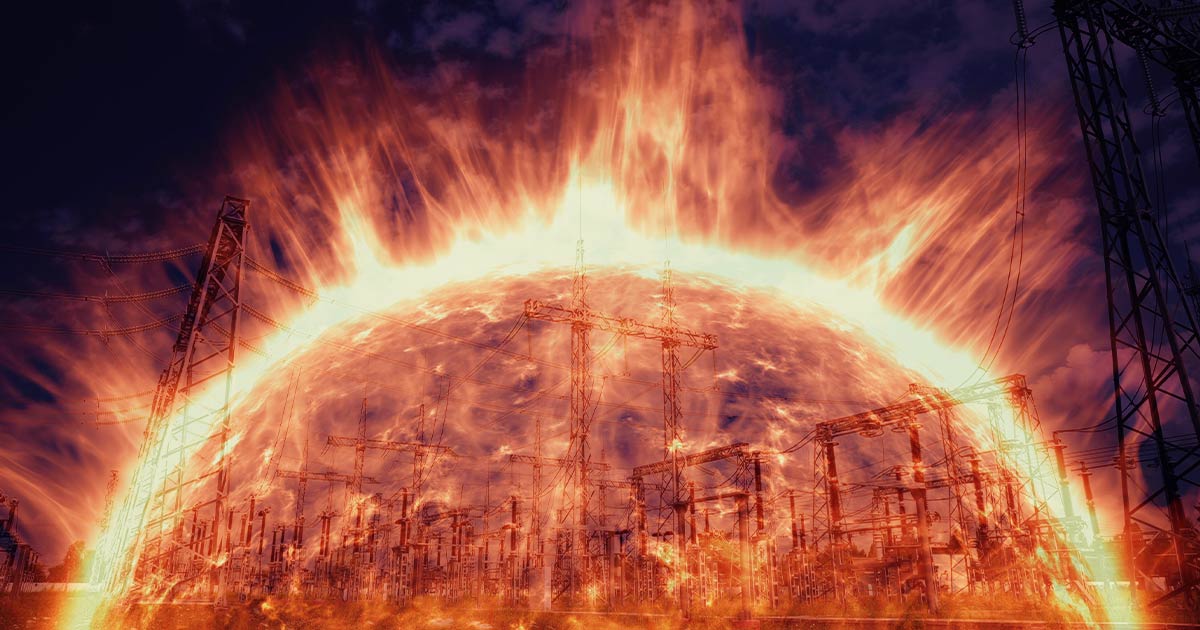
The sun’s activity has been a topic of discussion in recent years, with many wondering if the increase in solar flares and geomagnetic storms poses a significant threat to our way of life. According to NASA scientists, the sun is indeed experiencing a period of increased activity, but this is not a new phenomenon. The sun has always cycled through active and quiet phases, with the current cycle being part of the natural 11-year solar cycle that has been observed for centuries.
Solar Cycles: Understanding the Sun’s Rhythm
The 11-year sunspot cycle is a well-documented phenomenon that brings more sunspots, flares, and geomagnetic storms during active years, and relative quiet during lulls. The current cycle, Solar Cycle 25, is expected to continue until 2029, with activity trending upward as expected. While some scientists had predicted a “grand minimum” like the Maunder Minimum (1645-1715), the sun’s activity has picked back up, following the natural ebb and flow of the solar cycle.
The Carrington Event: A Historical Perspective
One of the most significant solar events in history is the Carrington Event of 1859, which caused widespread damage to telegraph lines and shocked operators. If a similar event were to occur today, the consequences would be devastating, with estimated damages of $2 trillion in the first year alone and years of recovery time. The event would affect not only our communication systems but also our power grids, transportation networks, and banking systems.
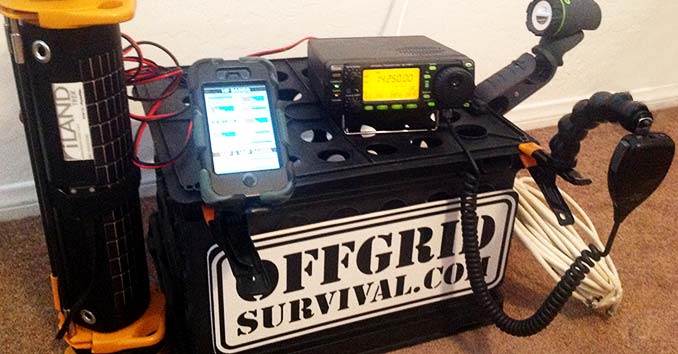
For those who rely on ham radio for communication, understanding solar conditions is crucial. Solar storms can affect HF radio propagation, causing blackouts or disruptions to communication systems. However, with the right equipment and knowledge, ham radio operators can adapt to these changes and continue to communicate effectively.
The Real Problem: A Fragile Power Grid
The real danger lies not in the sun itself, but in our crumbling and vulnerable power grid. The grid is a patchwork of outdated transformers and transmission lines, many of which are decades beyond their intended lifespan. Even a minor solar storm can strain the grid, while a major one could break it. Cyberattacks, terrorism, and equipment failure have all caused significant blackouts in the past, highlighting the need for a more resilient and reliable power grid.
Preparing for the Worst
So, what can you do to prepare for a potential solar storm or power grid failure? First, create an emergency kit with essentials like flashlights, batteries, and non-perishable food. Invest in a backup power source, such as a portable generator or solar panels, and make sure you have a plan in place for alternative communication and transportation. By taking these steps, you can ensure that you and your family are prepared for any eventuality and can stay safe until the grid is restored.
Conclusion
In conclusion, while the sun’s activity is a natural phenomenon that has been occurring for centuries, our modern society’s dependence on technology and fragile infrastructure makes us vulnerable to the effects of solar storms. By understanding the solar cycle, preparing for potential disruptions, and taking steps to protect ourselves and our communities, we can reduce the risks associated with solar activity and ensure a safer and more resilient future. For more information on solar activity and how to prepare, visit Here
Image Credit: offgridsurvival.com