

 All products
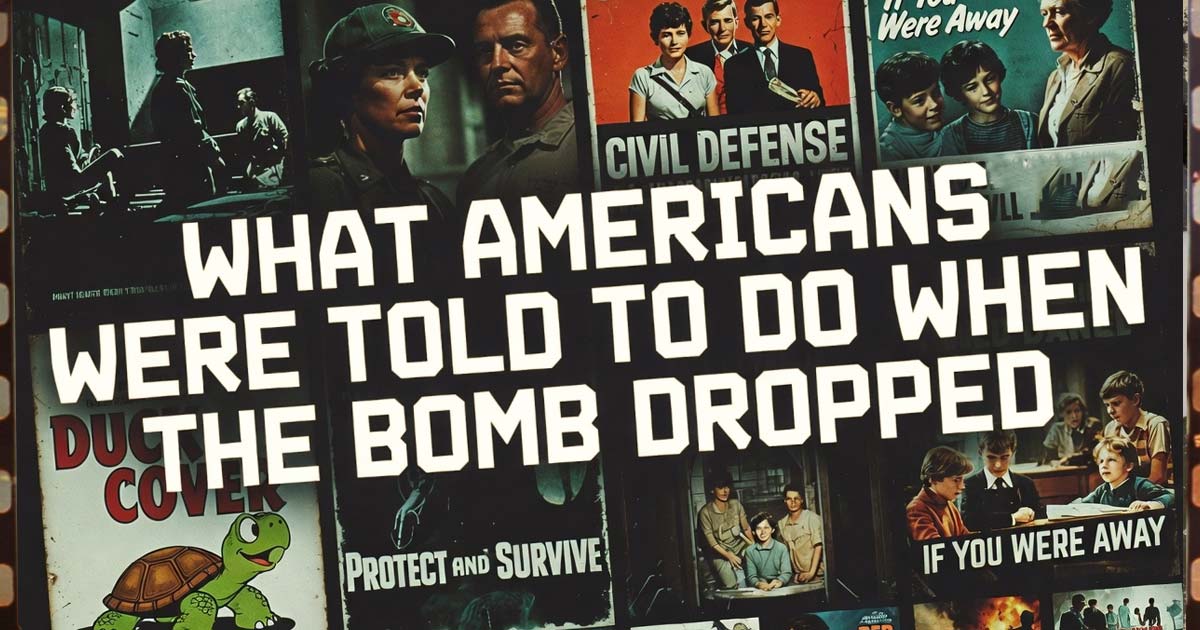
During the Cold War era, the threat of nuclear war was a constant concern for Americans. To prepare citizens for the unthinkable, the government produced a series of civil defense films that provided guidance on how to survive a nuclear attack. These films, which were shown in classrooms, community centers, and living rooms, offered a mix of education and reassurance, aiming to maintain public morale amidst escalating fears.
Today, these films serve as a historical record of how the threat of nuclear war was communicated to the public. They provide valuable insights into what information was emphasized, what was left out, and how civil defense messaging balanced survival guidance with morale, productivity, and social order. By examining these films, we can gain a deeper understanding of the era’s anxieties and the measures taken to mitigate them.
Historical Context and Film Analysis
The civil defense films produced during the Cold War era were designed to educate Americans on the risks associated with nuclear war and provide practical guidance on how to survive an attack. Films such as “Survival Under Atomic Attack” (1951), “Atomic Alert” (1951), and “Duck and Cover” (1952) were widely distributed and viewed by millions of people, including children. These films often featured calm narration, simple instructions, and reassuring messages, which were intended to reduce panic and promote a sense of control.
However, when viewed through a modern lens, these films can be seen as simplistic and even misleading. They often downplayed the devastating consequences of a nuclear attack, focusing instead on the importance of maintaining social order and continuity. The films also failed to provide adequate information on the long-term effects of radiation exposure, the scale of destruction, and the likelihood of survival.
Civil Defense Films: A Selection
Several notable civil defense films were produced during the Cold War era, each with its own unique approach to communicating the risks and consequences of nuclear war. Some of the most significant films include:
- Survival Under Atomic Attack (1951) – An early guide emphasizing calm, sheltering in place, and quick return to normal duties amid blast and radiation threats.
- Atomic Alert (Elementary Version, 1951) – A public-domain civil defense film produced for elementary school children, teaching them what to do during an atomic bomb alert or surprise attack.
- Self-Preservation in an Atomic Bomb Attack – A 1950s film from Cascade Pictures, sponsored by the Armed Forces Special Weapons Project, providing general information on atomic weapons defense.
- Radiological Defense (1961) – A detailed explanation of radioactive fallout dangers, monitoring, decontamination, and why it was portrayed as survivable with proper preparation.
- Duck and Cover (1952) – An iconic animated film featuring Bert the Turtle, widely screened in schools to teach children immediate response to a nuclear blast.
Legacy and Impact
The civil defense films of the Cold War era have had a lasting impact on American culture and society. They reflect the anxieties and fears of the time, as well as the government’s efforts to mitigate those fears through education and reassurance. While the films may seem simplistic or even misleading by modern standards, they provide a unique window into the past, offering insights into the era’s values, attitudes, and priorities.
Today, these films serve as a reminder of the importance of preparedness, education, and critical thinking in the face of uncertainty and risk. By examining the historical context and content of these films, we can gain a deeper understanding of the complex interplay between government, media, and public perception, and how these factors shape our responses to threats and crises.
For more information on nuclear preparedness, survival, and the historical context of civil defense films, visit Here.
Image Credit: offgridsurvival.com